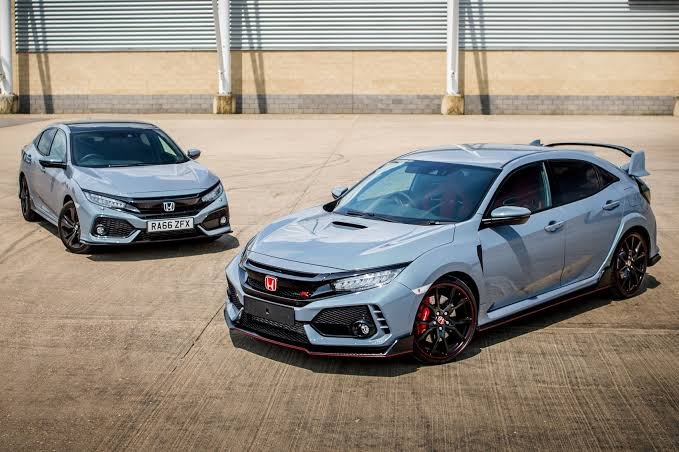
The 2018 Honda Civic is a popular compact car known for its fuel efficiency, comfortable interior, sporty handling, and generally strong reputation. However, like any vehicle, the 2018 Civic can develop problems as it ages.
Common 2018 Honda Civic problems reported by owners and documented in service and recall information include air conditioning issues, steering problems, fuel pump failures, electrical problems, and various engine and drivability concerns. Consumer Reports also identifies the climate system as a notable trouble area for this model year.
Below are some of the most common 2018 Honda Civic problems, their symptoms, possible causes, and potential solutions.
- Air Conditioning Problems
Air conditioning problems are among the most frequently reported issues with the 2018 Honda Civic. Owner complaints include the A/C blowing warm air, refrigerant leaks, and failures involving components such as the condenser, compressor, or evaporator.
Common symptoms include:
A/C blows warm air
Air conditioning works intermittently
Refrigerant level is low
Weak airflow from the vents
Unusual noises when the A/C is running
A/C stops working completely
Possible causes include refrigerant leaks, a damaged condenser, a failing compressor, or other climate-control components.
Solution:
A technician should inspect the A/C system for leaks and test its operating pressures. If a leak is found, the damaged component should be repaired or replaced before the system is properly recharged. Avoid simply adding refrigerant repeatedly without finding the source of the leak.
- Steering Problems
Steering is another area worth checking carefully on a 2018 Honda Civic. Owner complaints include unusual steering feel, vibration, noises, and difficulty maintaining smooth steering. NHTSA complaint data shows steering as one of the most frequently reported problem categories for this model year.
There was also a safety recall involving certain 2017–2018 Honda Civic vehicles. The electronic power steering system could be affected by a magnet becoming dislodged from the torque sensor, potentially causing unintended steering assistance during a full-lock turn. The recall remedy involved replacing the steering gearbox assembly at no charge for affected vehicles.
Common symptoms may include:
Stiff or unusual steering
Notchy steering feel
Steering that does not feel smooth
Unusual noises when turning
Steering warning lights
Changes in steering assistance
Solution:
Check the VIN to determine whether all applicable recalls have been completed. If the vehicle has unusual steering behavior, it should be inspected promptly.
- Fuel Pump Failure
Fuel pump problems are particularly important because they can affect vehicle operation and safety.
Honda issued fuel pump recalls affecting certain Civic models. A fuel pump inside the fuel tank may fail, potentially causing the engine to stall while driving. The recall remedy involves replacing the fuel pump module at no charge for affected vehicles.
Possible symptoms of a failing fuel pump include:
Engine cranks but does not start
Engine stalls unexpectedly
Difficulty starting
Loss of engine power
Intermittent starting problems
Fuel pump noise
Solution:
Check the vehicle identification number (VIN) for open fuel pump recalls. If the vehicle is covered by a recall, the repair should be performed by an authorized Honda dealer.
- Check Engine Light and Engine Problems
Some 2018 Civic owners have reported engine and drivability issues. The model also has technical service bulletins covering various areas, including engine, fuel system, emissions, and drivability concerns.
A Check Engine Light should not automatically be assumed to mean a major engine failure. The correct diagnosis depends on the trouble code stored in the vehicle’s computer.
Common causes can include:
Ignition problems
Engine misfires
Fuel system problems
Oxygen sensor problems
EVAP system leaks
Air-fuel mixture problems
Emissions system faults
Sensor or wiring issues
Solution:
Use an OBD-II scanner to retrieve the diagnostic trouble codes. Avoid replacing parts based solely on the Check Engine Light. The stored codes and live engine data should be used to identify the actual cause.
- Electrical Problems
Electrical issues are another category reported by some 2018 Civic owners. Reported problems can involve various electrical components, warning lights, sensors, infotainment features, and other systems.
Possible symptoms include:
Warning lights appearing unexpectedly
Electrical accessories not working correctly
Intermittent electrical problems
Battery-related issues
Infotainment system problems
Key detection or starting issues
Solution:
A technician should check the battery, charging system, fuses, wiring, grounds, and relevant control modules. Intermittent electrical problems can require more extensive diagnostic testing.
- Fuel Smell or Fuel System Issues
Fuel-system complaints have also been reported for the 2018 Civic. Some fuel-related symptoms can overlap with problems involving the fuel pump, fuel lines, fuel tank, or EVAP system.
If you notice a strong gasoline smell, do not ignore it.
Possible causes include:
Fuel system leaks
Fuel pump problems
Fuel filler or cap problems
EVAP system leaks
Fuel vapor system problems
Solution:
Have the fuel system inspected for leaks. A strong gasoline odor should be treated as a priority because leaking fuel can create a fire hazard.
- EVAP and Emissions Problems
The 2018 Civic can also develop emissions-related problems that trigger the Check Engine Light. These may include EVAP leaks, oxygen sensor faults, or catalytic converter efficiency codes.
For example, an EVAP leak may trigger codes such as P0456, which indicates a very small leak in the evaporative emission system.
Possible symptoms include:
Check Engine Light
Fuel odor
Difficulty passing an emissions inspection
No obvious drivability symptoms
Solution:
Start with simple checks such as the fuel cap and then inspect the EVAP hoses, valves, sensors, and connections. Very small EVAP leaks may require a smoke test to locate.
- Front-End or Suspension Noises
Some 2018 Civic service information and owner reports involve noises from the front of the vehicle, including clicking or knocking sounds when going over bumps or turning. Honda dealer communications also addressed certain complaints involving front-end noises.
Possible causes can include:
Suspension components
Engine mounts
Steering components
Bushings
Loose or damaged hardware
Solution:
Have the noise inspected rather than assuming it is normal. A mechanic can check the suspension, steering, mounts, and other components for excessive play or damage.
- Windshield and Body Issues
Some owners have also reported problems involving windows, windshields, body components, and exterior accessories. These are generally less critical than fuel-system or steering problems but can still be frustrating.
Possible issues include:
Windshield damage
Window problems
Loose exterior trim
Body panel issues
Water leaks
Solution:
Inspect the affected area for damage, loose seals, or improperly fitted components. Water leaks should be repaired quickly to prevent interior and electrical damage.
2018 Honda Civic Recalls
Before buying or continuing to drive a used 2018 Honda Civic, check the vehicle’s VIN for outstanding recalls.
Reported recalls for the 2018 Civic include fuel pump-related recalls and a steering-related recall, along with recalls involving vehicle labeling and owner’s manual information. Recall coverage depends on the specific vehicle and its VIN.
Recall repairs are generally performed by the manufacturer or authorized dealer at no charge when the vehicle is covered.
Is the 2018 Honda Civic Reliable?
The 2018 Honda Civic can still be a good used car, but its reliability depends heavily on maintenance, mileage, driving conditions, and the condition of the individual vehicle.
The most important areas to inspect are the air conditioning system, steering system, fuel pump recall status, electrical system, engine, and emissions system.
Complaint databases can help identify patterns, but owner complaints do not necessarily mean that every vehicle will experience the problem. A proper inspection of the specific Civic you are considering is more useful than relying only on model-year statistics.
What to Check Before Buying a Used 2018 Honda Civic
If you are considering purchasing a 2018 Honda Civic, check the following:
Check the VIN for open recalls
Test the air conditioning thoroughly
Pay attention to steering feel during a test drive
Listen for suspension or front-end noises
Check for warning lights
Scan the vehicle for stored OBD-II codes
Look for oil or coolant leaks
Check for gasoline odors
Inspect the tires and brakes
Review maintenance records
Check the transmission operation
Have an independent mechanic perform a pre-purchase inspection
2018 Honda Civic Problems: Frequently Asked Questions
What is the most common problem with a 2018 Honda Civic?
Air conditioning problems are among the most frequently reported issues for the 2018 Civic. Steering complaints are also a significant area of concern in owner complaint data.
Does the 2018 Honda Civic have transmission problems?
Transmission problems have been reported, but they are not among the largest complaint categories for the model year. Any Civic with hesitation, harsh shifting, slipping, unusual noises, or delayed engagement should be professionally inspected.
Does the 2018 Honda Civic have a fuel pump recall?
Yes. Certain 2018 Honda Civic vehicles are covered by fuel pump recalls. A fuel pump failure can cause the engine to stall while driving. Check the vehicle’s VIN to determine whether the recall applies and whether the repair has already been completed.
Does the 2018 Honda Civic have steering problems?
Steering is a notable complaint category for the 2018 Civic. Certain vehicles were also included in a recall involving the electronic power steering system.
How long can a 2018 Honda Civic last?
With regular maintenance and timely repairs, a 2018 Honda Civic can potentially provide many years of service. Actual lifespan varies significantly depending on maintenance history, mileage, driving conditions, and how the vehicle has been treated.
Final Thoughts
The 2018 Honda Civic remains a practical and efficient used car, but buyers should be aware of several potential problem areas. Air conditioning issues, steering concerns, fuel pump recalls, electrical problems, and engine or emissions faults are among the areas worth checking.
The best approach is to inspect the specific vehicle rather than judging every 2018 Civic by its model year. Check the VIN for recalls, scan the vehicle for trouble codes, test the A/C and steering, inspect for leaks, and have a qualified mechanic perform a pre-purchase inspection.
Taking these steps can help identify common 2018 Honda Civic problems before they become expensive repairs.